The End of Jim Crow
"The Fight for Civil Rights"
-
The African American Civil Rights Movements was a social movement whose goal was to end racial segregation and discrimination against African Americans.
- The most important time for this movement was between the years of 1955-1968.
- This movement combined with important court cases brought about the end to the Jim Crow laws.
Important Individuals & Events
Martin Luther King Jr.
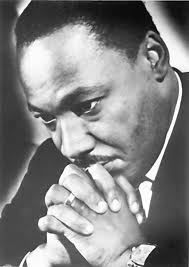
- Martin Luther King Jr. was an American clergyman, activist, humanitarian, and leader in the African American Civil Rights Movement.
- King led the1955 Montgomery bus boycott, a struggle against segregation in Albany, Georgia in 1962, and organized nonviolent protests in Birmingham, Alabama that attracted national attention following television news coverage of the brutal police response.
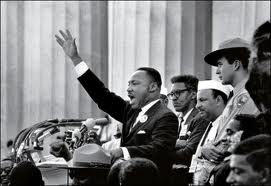
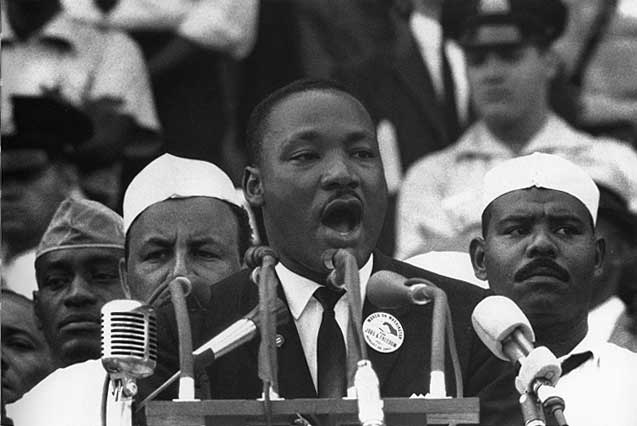
- King also helped to organize the 1963 March on Washington, where he delivered his "I Have a Dream" speech. There, he established his reputation as one of the greatest political organizers in American history.
- On October 14, 1964, King received the Noble Peace Prize for combating racial inequality through nonviolence.
- King was assassinated on April 4, 1968 in Memphis Tennessee by James Earl Ray.
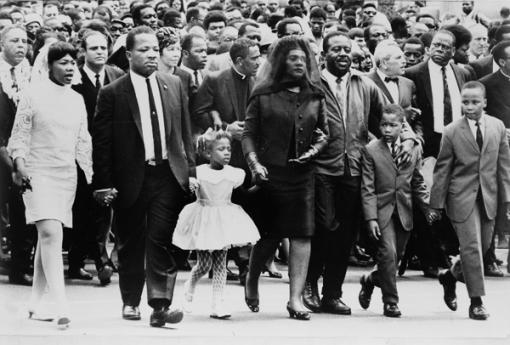
- A day before his funeral his wife (Coretta Scott King) and three of his children led 20,000 marchers through the town of Memphis holding signs saying, “Honor King: End Racism."
-
Coretta King led another 150,000 people in a funeral procession across Altanta, Georgia.
Brown v. Board of Education (1954)
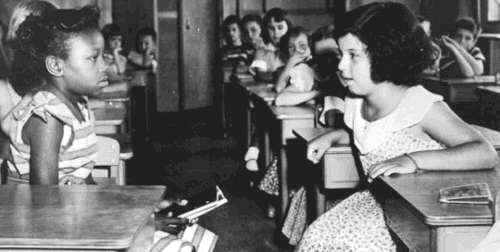
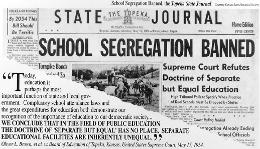
- Brown v. Board of Education was a landmark court case that made it illegal to prevent the races from learning in the same schools.
- Prior to this court case black and white children could not attend the same schools.
- Public schools provided for black students were of a lesser quality and received less funds than those provided for white students in the same districts.
- It also discredited the whole idea of "separate but equal" making it illegal.
- However, it took more than 10 years and military intervention to implement desegregation across the southern states. Many states simply refused to comply.
Rosa Parks and the Montgomery Bus Boycott
(1955-1956)
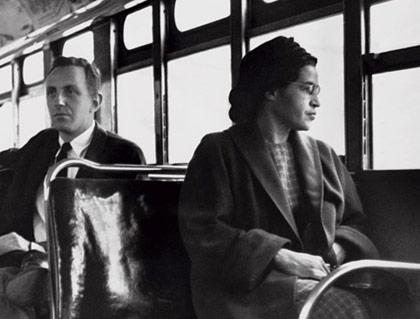
- On December 1, 1955, in Montgomery, Alabama Rosa Parks refused to give up her seat on a crowded but in order to let a white passenger sit down.
- She was arrested.
- In response 50,000 African American boycotted the bus system for 381 days resulting in a repeal of the bus segregation ordinance.
Desegregating Little Rock Central High School (1957)
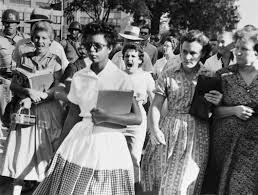
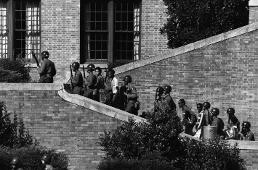
- In Little Rock, Arkansas 9 African American students were chosen to go to the all white Little Rock Central High School as part of the desegregation process.
- The Governor of Arkansas Orval Faubus called on the National Guard to prevent the students from entering school.
- One of the black students showed up because she hadn’t been warned of the danger. She was harassed and threatened upon entering the school.
- Eventually President Dwight Eisenhaur brought in the US army in to protect the students. All nine students attended school but were escorted to each class by the soldiers.
- They were abused and attacked. Only one of the nine eventually graduated from the high school.
The March on Washington (1963)
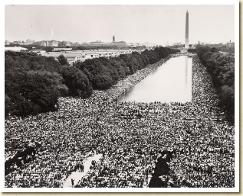
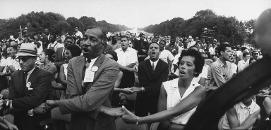
- This was a march planned and carried out by Martin Luther King Jr. and other black leaders of the civil rights movement.
- An estimated 200,000 to 300,000 demonstrators gathered in front of the Lincoln Memorial where King delivered his famous "I Have a Dream" speech.
- The march had six official goals:
- Meaningful civil rights laws,
- a massive federal work program,
- full and fair employment,
- decent housing,
- the right to vote, and
- adequate integrated education
- After the march, King and other civil rights leaders met with President Kennedy at the White House to discuss Civil Rights Legislation.
Malcom X
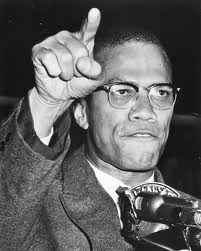
- Malcolm X was originally a member of the Nation of Islam but broke away after growing disillusioned with the movement.
- He became a leader of a movement, which collaborated with other civil rights originations that accepted the right to self-defense.
- He had at one point supported black separatism but later said it was not required.
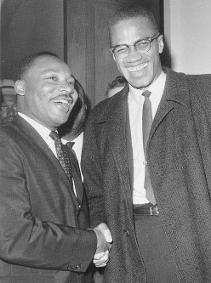
- Malcolm X met with Martin Luther King to show support and push for the enactment of the Civil Rights Act. While the two differed on their approaches they came together as a united front.
- Malcolm X responded strongly against Ku Klux Klan activity in Birmingham Alamabam supporting a more radical approach to fighting the violence.
- Malcolm presented an ultimatum to white America: “There's new strategy coming in. It'll be Molotov cocktails this month, hand grenades next month, and something else next month. It'll be ballots, or it'll be bullets.
- Malcolm X was assassinated in 1964 by three members of the Nation of Islam.
Signing of the Civil Rights Act (1964)
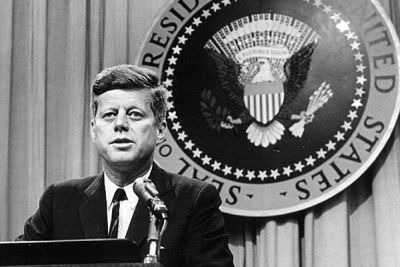
- President Kennedy was a key supporter of the fight for Civil Rights.
- He proposed Civil Rights legislation that would ban widespread discrimination.
- However, he lacked support from Congress to pass the legislation (the Southern Senators would not pass the bill).
- President Kennedy was assassinated on November 22, 1963, before he was able to pass the legislation.
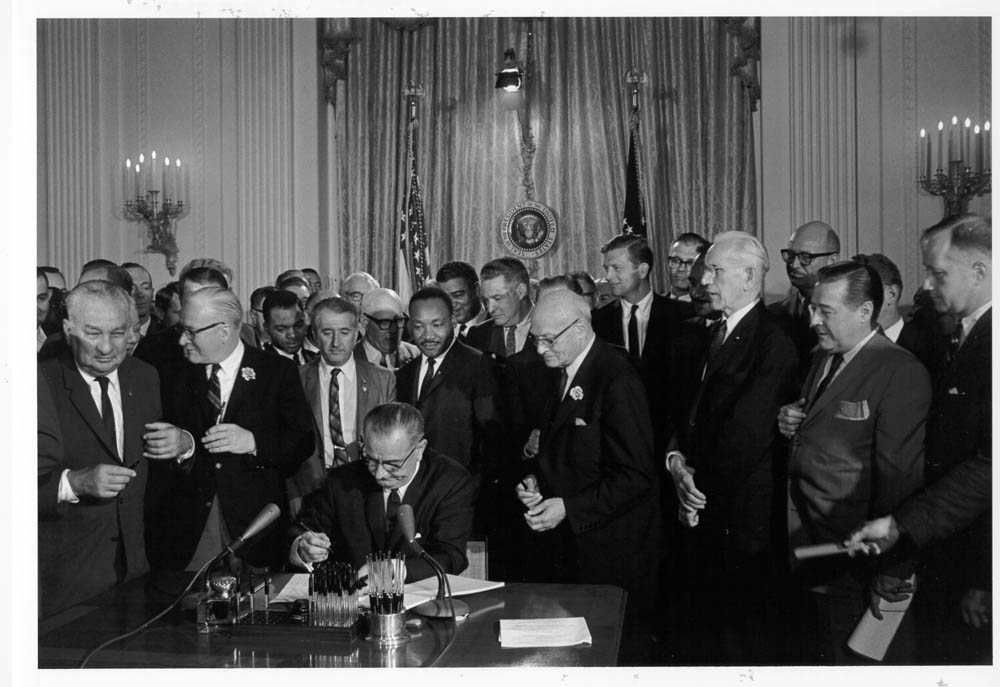
- On July 2, 1964, Johnson signed the Civil Rights Act of 1964 that banned discrimination based on "race, color, religion, sex or national origin" in employment practices and public accommodations.
- This act prohibited many of the discriminatory actions practiced over the past 100 years or more in both public and private institutions all around America.